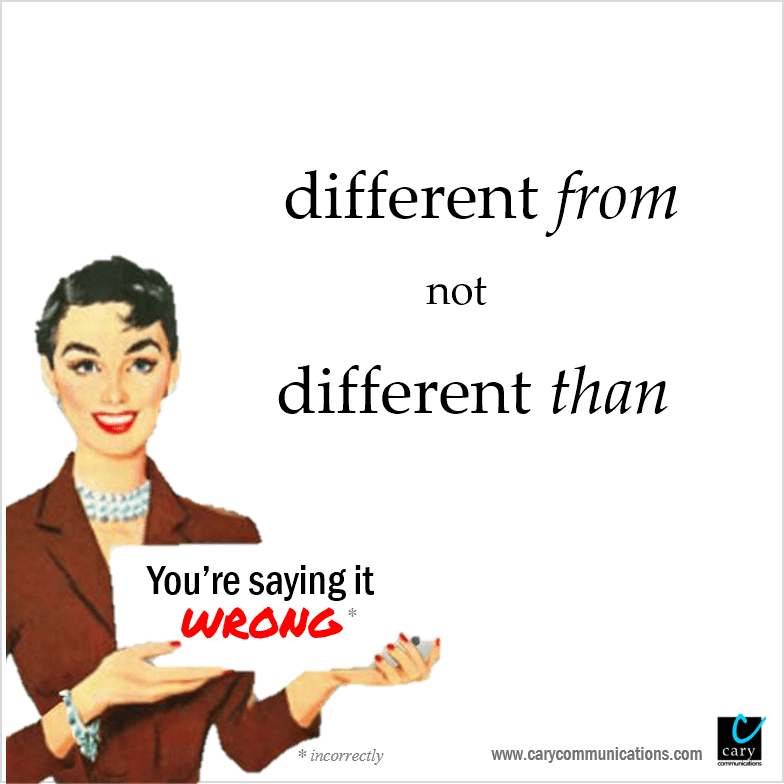

Moot point, not mute point
If someone makes a point that’s no longer relevant, it’s a moot point, not a mute point. The term moot came from British law. A moot court was where law students argued hypothetical questions. It can mean something is open to discussion, but...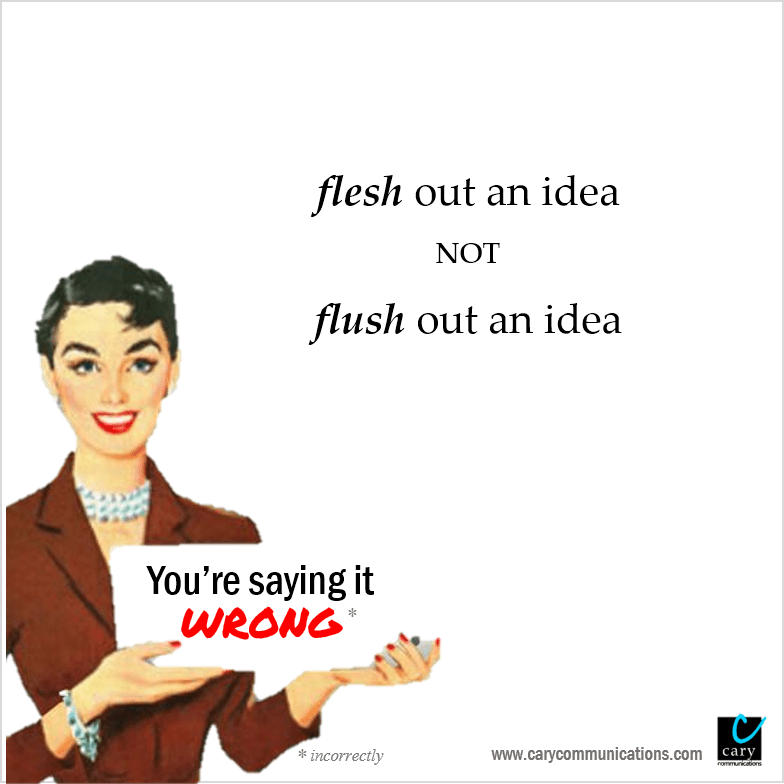
Flesh out, not flush out
When you’re filling in the gaps and expanding on a new idea, you’re fleshing out the idea, not flushing out the idea. Think of it as a drawing of a person where you have the outline of the body, and now you need to add the details…the flesh....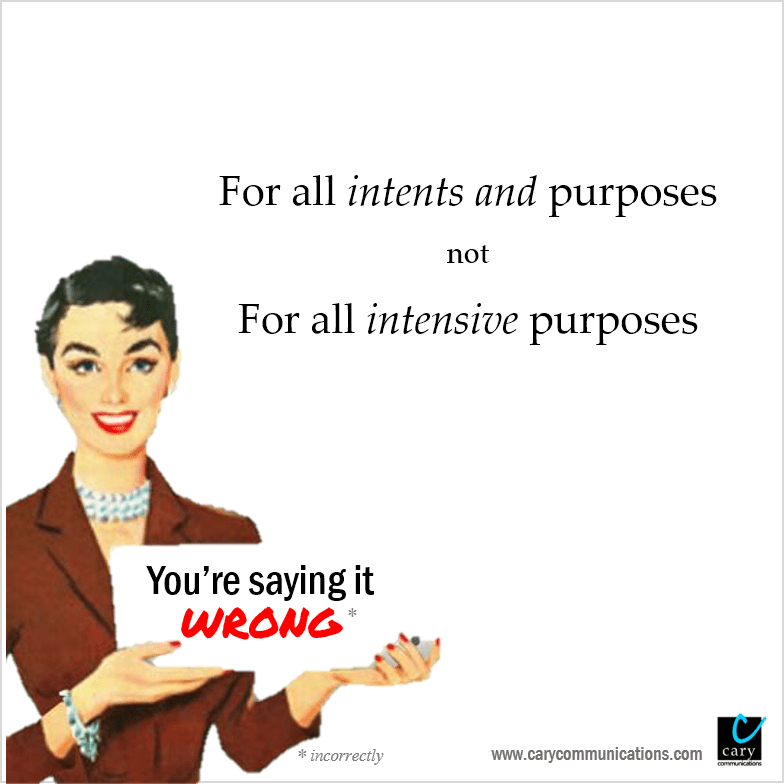
Intents and purposes, not intensive purposes
We hear the phrase “for all intents and purposes” much less frequently than we used to, but if you’re going to use it, please do not say, “for all intensive purposes.” The word intensive indicates an extreme, which is the opposite of the...